Let’s begin with a fact. Interest rates aren’t exactly the stuff of poetry. Yet they are at the heart of the modern economy, and no matter where you are on your personal financial journey, understanding the things out there that drive rate changes can help you make smarter decisions.
So let’s take a read together through one of money’s easiest to misunderstand topics. Why interest rates move, and why that movement should matter to you.
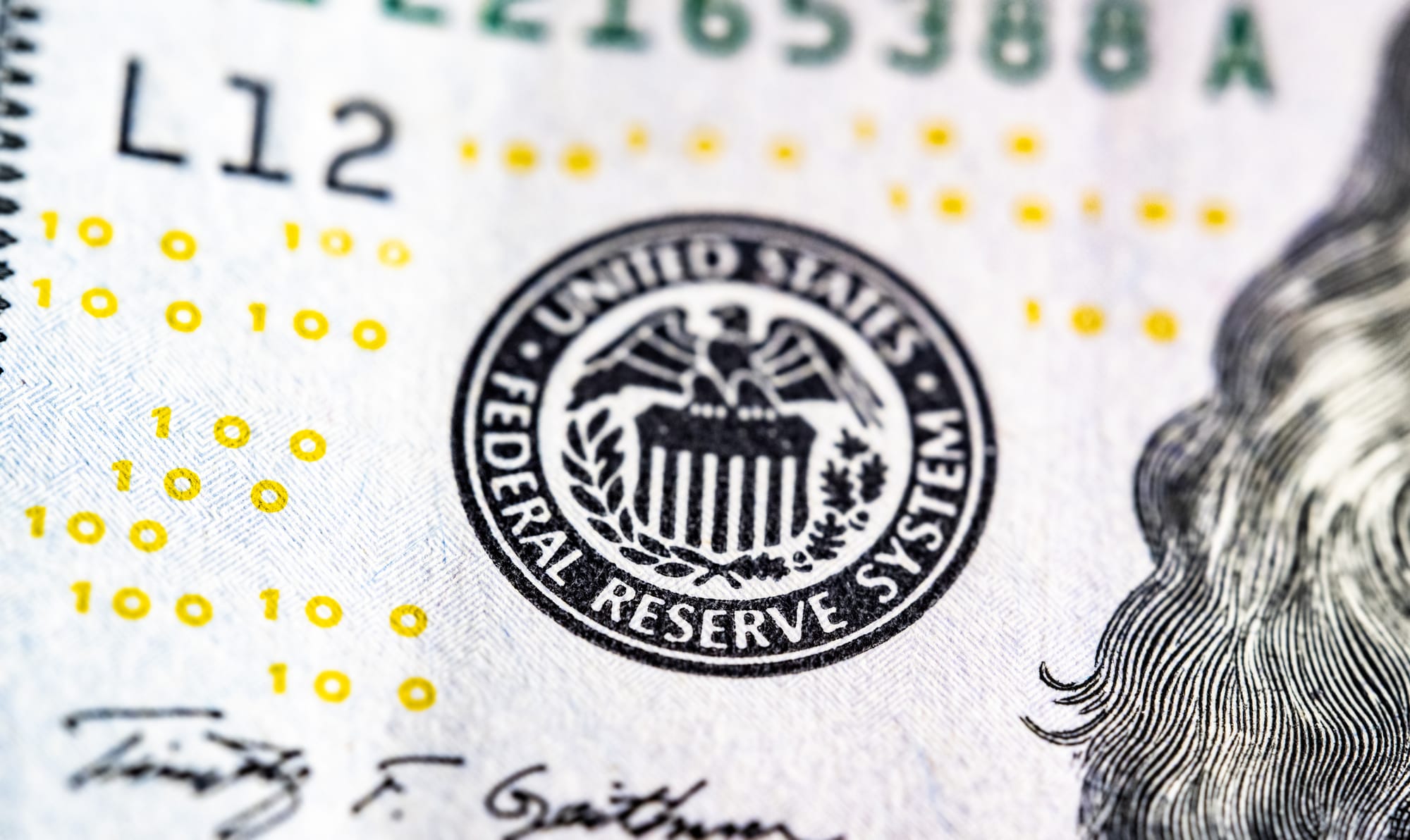
The Federal Reserve: America’s Economic Thermostat.
Imagine your home’s thermostat, that modest little controller on the wall that tries its best to keep you comfortable. The Federal Reserve (The Fed), essentially the central bank of America, performs a similar function for the economy: nudging rates up when things grow too hot and head towards inflation; this is when prices are rising too quickly and everyday goods become painfully expensive. Likewise the Fed will lower rates when the chill of recession is creeping towards us; this is when spending slows, hiring freezes, businesses pull back, and people risk losing jobs. In one case the Fed is trying to cool price growth; in the other it is trying to keep the economy from slipping into a kind of economic ice bath.
Their primary tool to control the dial is the federal funds rate, the interest rate at which banks lend to each other overnight. This might seem like an obscure banking detail, but it’s the first domino to fall in a reaction that shapes everything from mortgage and credit card rates to the returns you earn on your savings.
During 2022 - 2024, the Fed raised rates eleven times, taking them from near zero to a range of 5.25–5.50%. This was the highest fed funds rate in two decades and the Fed raised it up to that level to combat inflation that had swelled to 9.1%. Now, as inflation eases and economic growth slows, they are moving the other way. Approaching the end of the year 2025, the Fed has cut rates at three consecutive meetings, and with each of those cuts, gentle ripples roll across the financial landscape.
The Dual Mandate: A Balancing Act.
The Fed doesn’t get to focus on just one goal at a time. Congress gave it a “dual mandate”:
- Keep prices stable (inflation around 2%)
- Maintain maximum employment rates
This makes the Fed’s work something like conducting an orchestra where every instrument (jobs, wages, prices, and spending) must remain in harmony. Too much brass, and inflation drowns everything else out, too much percussion and growth falters.
To guide their decisions, Fed officials pore over a sea of data:
- CPI (Consumer Price Index): The cost of your weekly groceries and fuel.
- Employment Report: how many Americans are working and earning.
- Core PCE: the Fed’s favorite inflation gauge (Like CPI however it excludes volatile food and energy prices).
- GDP Growth: The measure of whether the economy is running well or faltering.
When the Fed Moves, Ripples Follow.
Picture a stone dropped into a perfectly still financial pond. The ripples spread, not evenly, but at least predictably.
- Immediate effects: Money market and short-term bond rates adjust.When the Fed changes interest rates, it makes borrowing money more expensive or cheaper. If the Fed raises rates, short-term investments like money market accounts and short-term loans or investments start paying more interest, because lenders can now charge higher rates. If the Fed cuts rates, people (and companies) generally pay less interest, because money is cheaper to borrow.
- Soon after: Banks tweak credit card, mortgage, and savings rates.Banks are adjusting what you pay to borrow and what you earn on savings to stay in line with the Fed’s new rate environment.
- Over time: companies invest differently, consumers spend differently, and the job market reacts accordingly.
- Companies may invest more or less depending on whether borrowing is cheap or expensive.
- Consumers might spend more when loans are cheaper, or cut back when rates rise.
- And as a result, the job market adjusts with businesses hiring more in a low-rate environment and slowing down hiring or layoffs when rates are high.
When the Fed cut rates to near zero after the 2008 crisis, savings rates followed, plummeting from 2.5% to 0.1% almost overnight. In contrast, during the recent tightening cycle, high-yield accounts climbed above 4%. Here at Tellus, our Reserve account now rewards users up to 8.00% a reflection of those same market tides.
Why Savings Rates Fluctuate.
What sets Tellus apart is our foundation: real estate. Unlike equity markets that can yo-yo on sentiment, residential property values have generally risen at a pretty steady 3.9% annual clip since 1991. Critically, they’ve done this with far less volatility than stocks. Around 2008-2009 some housing markets in the country bubbled and burst. This contributed to the “Great Recession”, and was felt in many areas of the economy. But when you look broadly across the country, this home price decline (around 15% in 2008) - while significant for a real estate price move - pales in comparison to the 20–30% stock market drops that occur with unsettling regularity. More recently, the volatility caused by the outbreak of the COVID-19 virus shocked the markets - US housing declined just over 3% before resuming its climb. At the same time, the stock market fell off a 33% cliff, before rapidly gaining ground again.
This stability anchors your savings in something enduring: the human need for shelter.
Navigating Rate Cycles: What Savvy Savers Know.
Declining interest rate cycles typically last a year or two, declining by about 2.5 percentage points on average. The trick is not to try to “time” them — few can — but to understand them.
A few timeless principles:
- Keep the long view. Rates rise and fall, but saving consistently always wins.
- Diversify wisely. Cash is the cornerstone of any sound plan, but not the whole house.
- Mind the real return. A modest rate in a low-inflation environment often beats a high nominal rate eaten away by rising prices.
The Present Moment: A Soft Landing?
Recent data suggests the U.S. economy may be easing into that rarest of states, a soft landing. Job growth has cooled. Inflation, for the most part, continues to recede. And financial markets aren’t crazily unbalanced.
For savers, this means changes are likely to be gradual, not jarring. Financial platforms like Tellus have the time and stability to adapt, ensuring your returns remain competitive and your money continues to work intelligently.
Building Wealth on Solid Ground
Interest rates are merely one chapter in your financial story. What truly matters is the habit of saving, the discipline of planning, and the wisdom to let time do its quiet compounding work.
The difference between earning 3% or 5% is less profound than the difference between saving every month or not saving at all.
At Tellus, our mission is to make that saving habit rewarding, transparent, and rooted in something real.
